
The Ionian Islands
Green, Venetian and washed by clear blue water, the Ionian Islands string down Greece's western edge from Corfu to Kythira, offering cypress hills, cricket pitches, sea caves and some of the country's most famous beaches.
About the region
Greece's greenest, most Italianate islands
The Ionian Islands, known in Greek as the Eptanisa or Heptanese, the Seven Islands, lie in the sea off the country's western and southern coasts, facing Italy rather than the Aegean. The seven that give the group its name are Corfu, Paxos, Lefkada, Ithaca, Kefalonia, Zakynthos and, far to the south, Kythira, together with smaller neighbours such as Antipaxos and remote Antikythira.
What sets them apart is history and rainfall. Uniquely in Greece, these islands were never ruled by the Ottomans; instead they spent centuries under Venice, then briefly under France and Britain, before uniting with Greece in 1864. That legacy shows in arcaded streets and campanili, in a taste for opera and cricket on Corfu, and in a gentler, more Italianate atmosphere. Wetter winters make them the greenest islands in the country, thick with cypress, olive and vine.
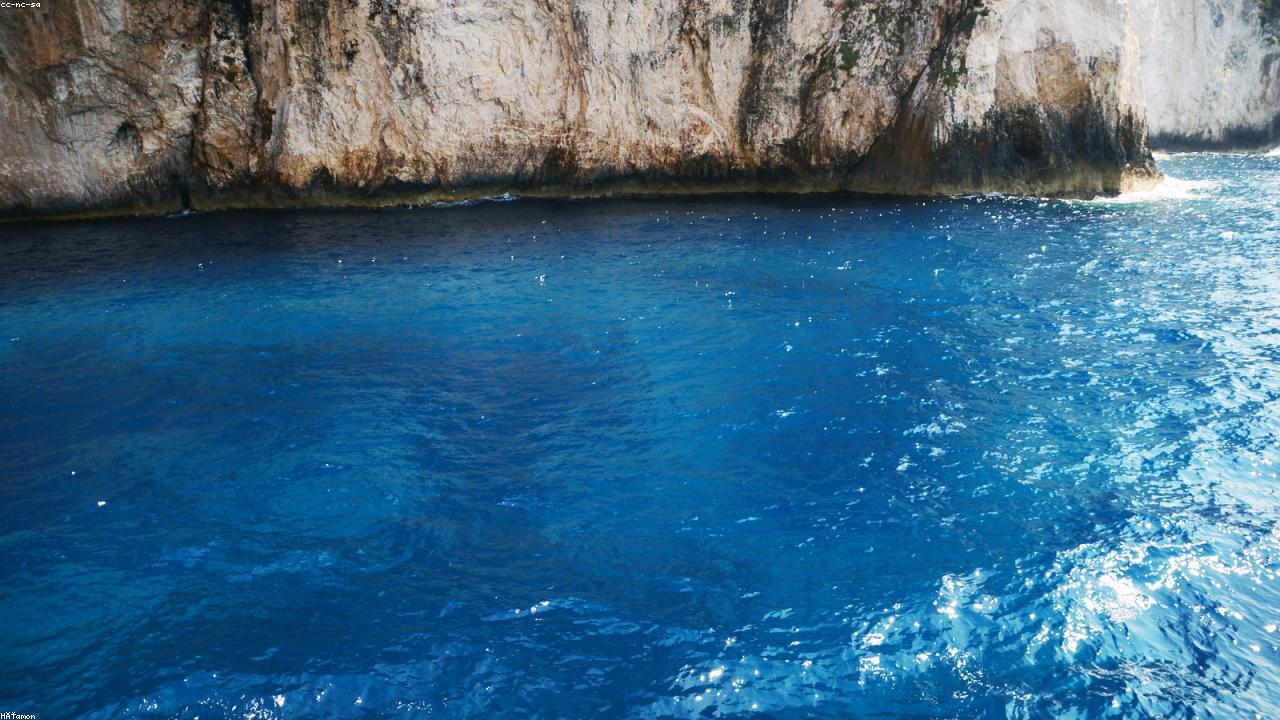
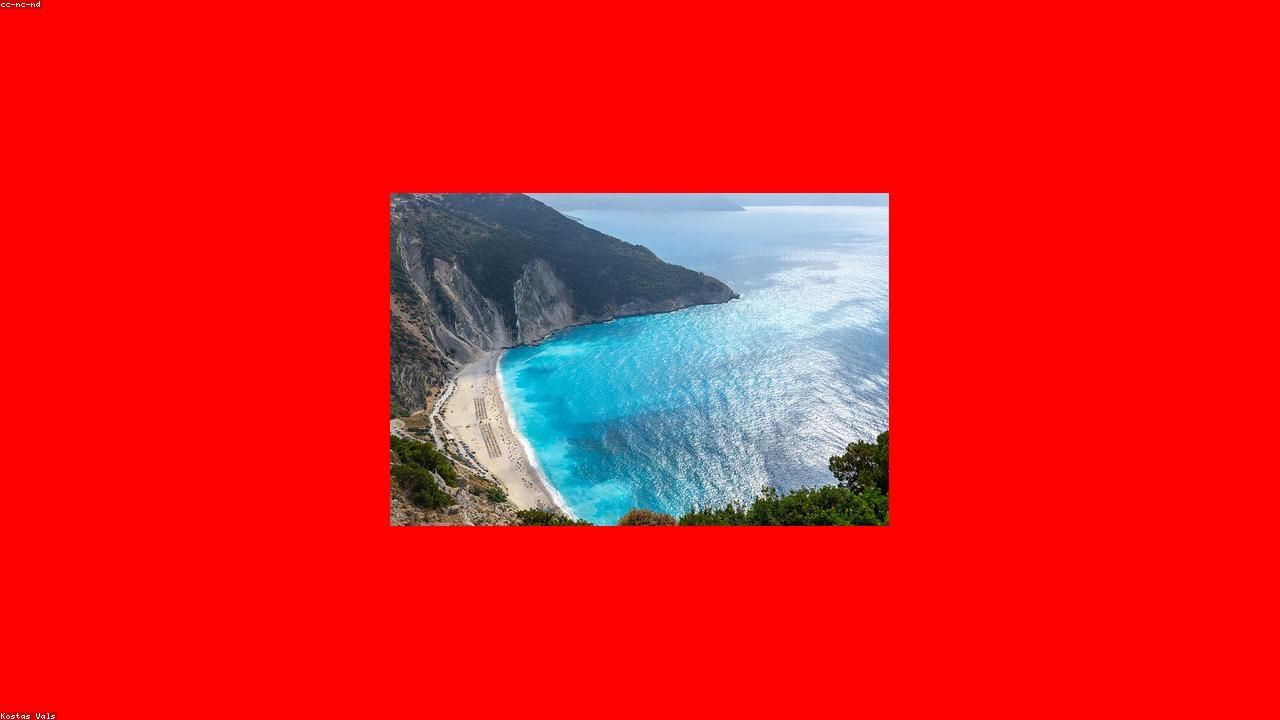
The scenery is the draw: the sheer white cliffs and Shipwreck Beach of Zakynthos, the caribbean coves of Antipaxos, the caves of Kefalonia, and the Homeric hills of Ithaca, kingdom of Odysseus. Corfu, Kefalonia, Zakynthos and Lefkada have their own airports and busy resorts, while Paxos, Ithaca and the far southern outposts stay quiet and reached only by boat.
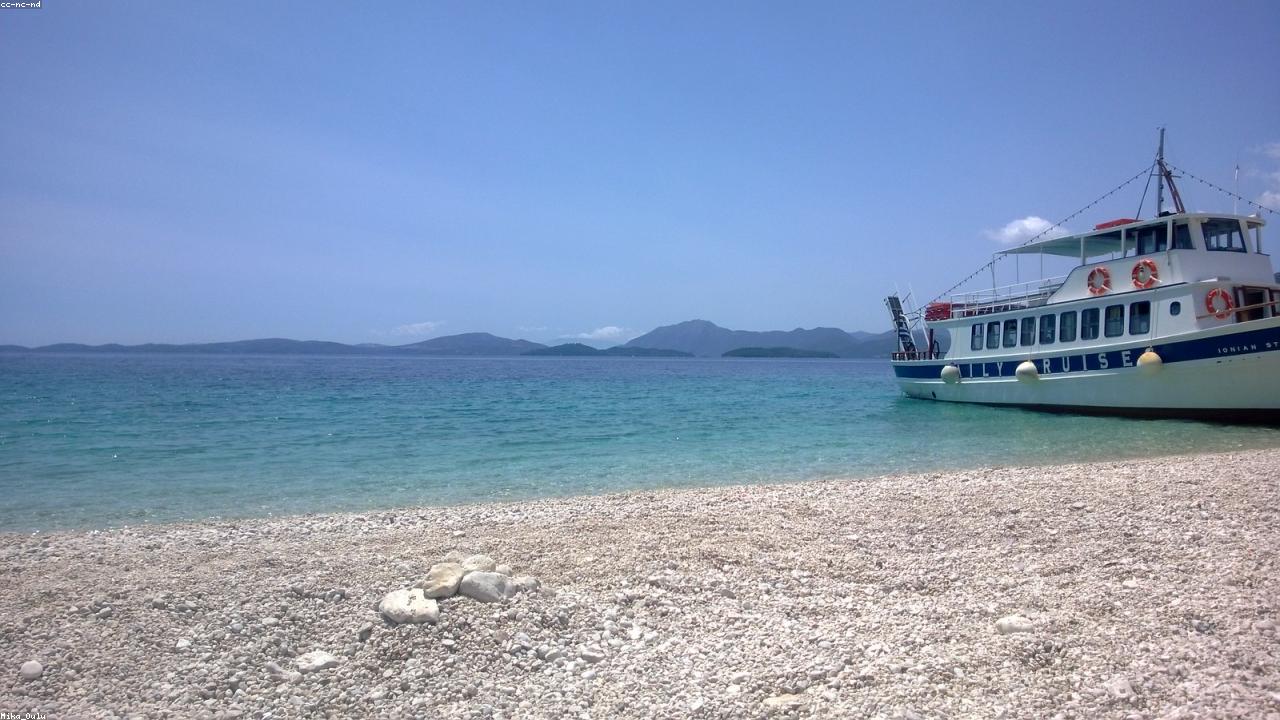
Travellers use the Ionian for beach holidays, sailing and island-hopping, often flying into one of the larger islands and crossing by ferry to smaller ones. The season runs from May to October, with July and August warmest and busiest and the shoulder months offering greenery, wildflowers and warm, quieter seas.

On the map