
Crete
Greece's largest island is almost a country of its own — Minoan palaces, Venetian harbours, wild gorges and pink-sand lagoons stretched between snow-capped mountains and the warm Libyan Sea.
About the region
A small continent of its own
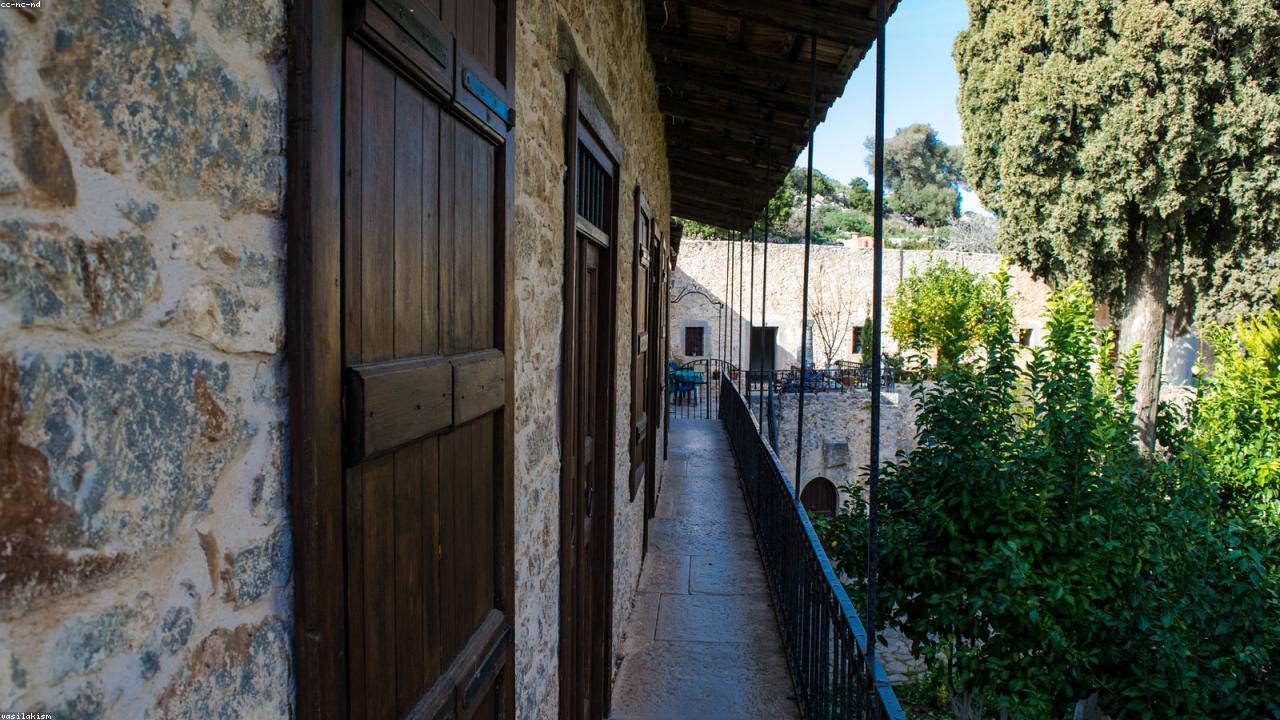
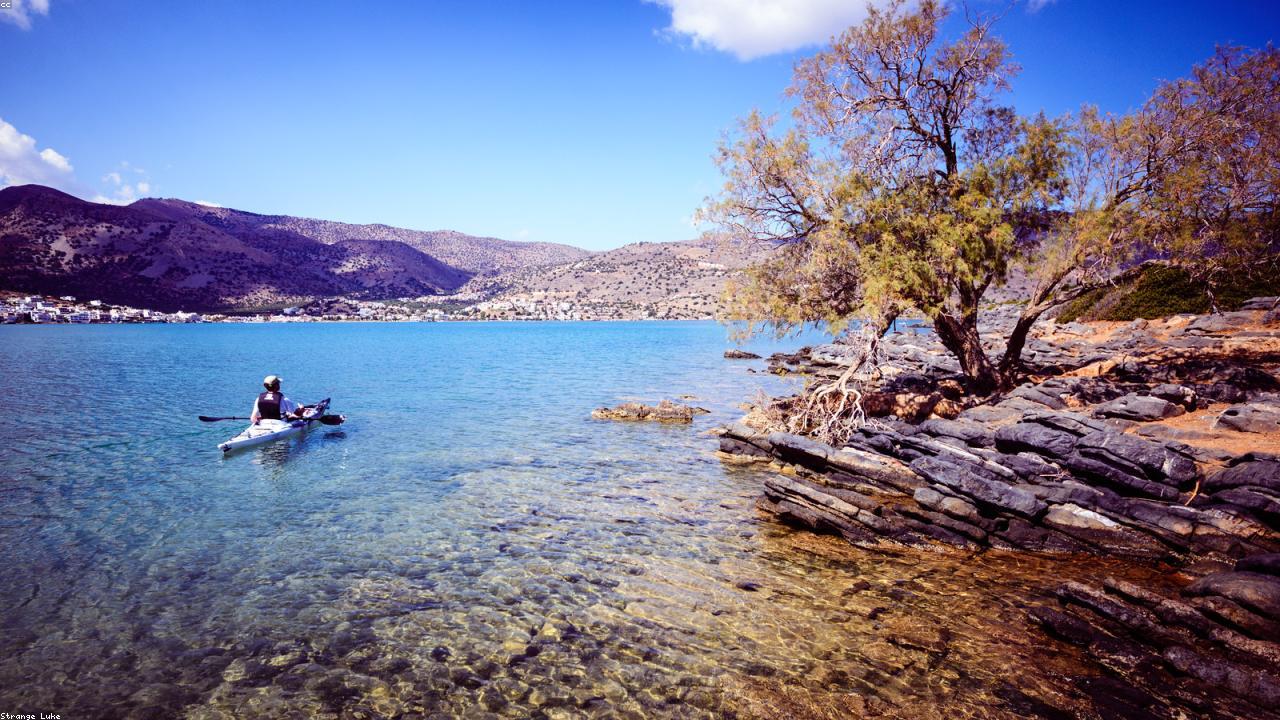
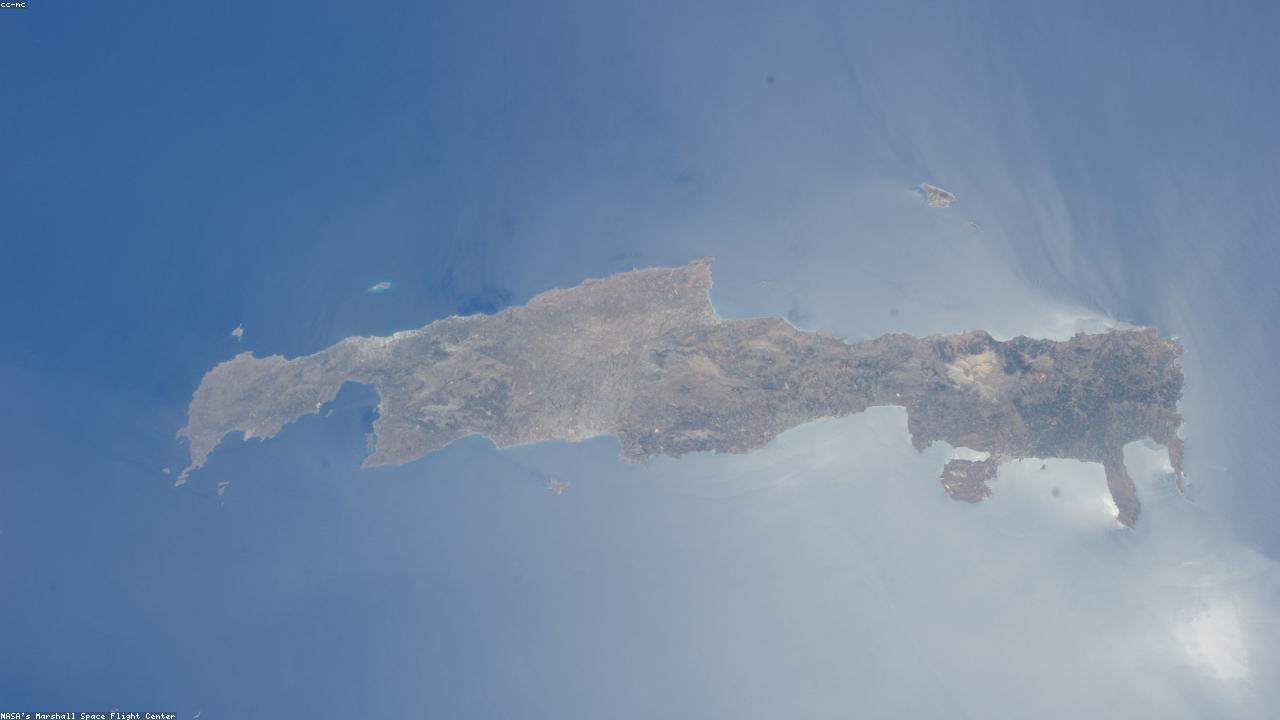
Crete is Greece's largest and most southerly island, a landmass so varied it feels less like an island than a small continent. Snow can linger on the peaks of the White Mountains while swimmers wade into warm Libyan Sea coves far below. Ancient Minoan palaces, Venetian harbours, Ottoman minarets and remote shepherds' villages all belong to the same island, and each corner guards its own dialect, cheese and story.
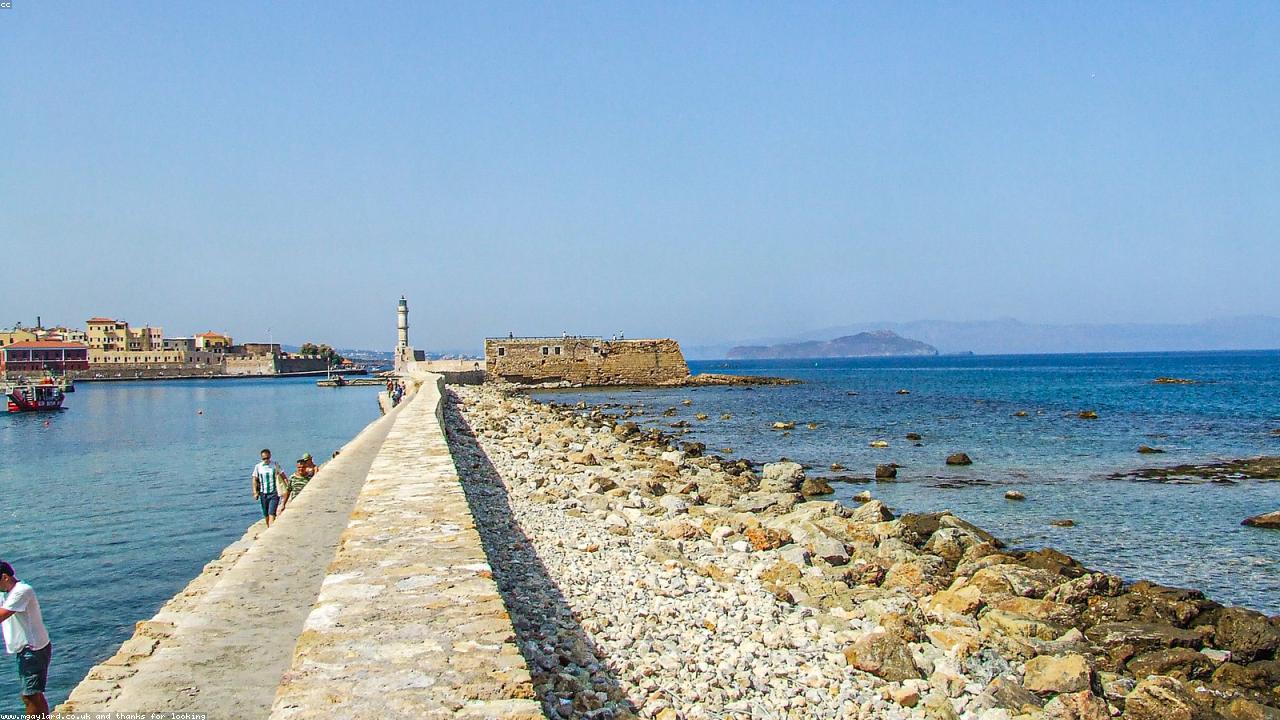
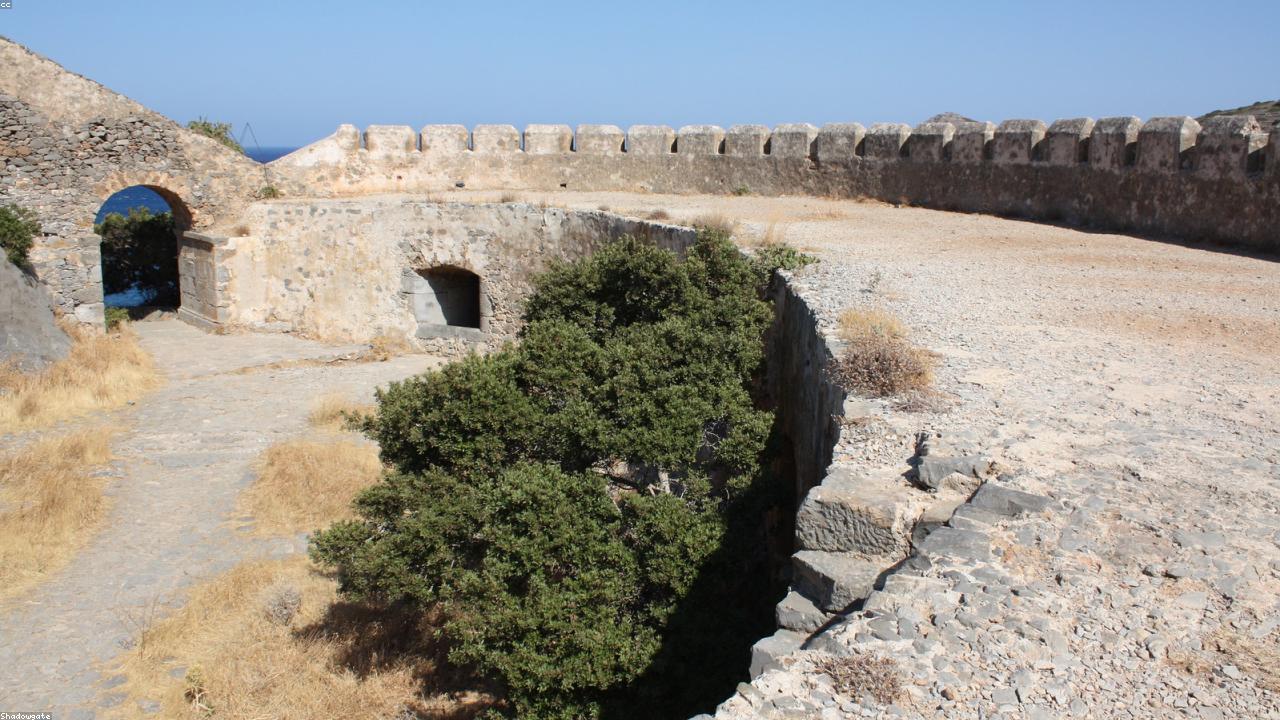
Most visitors arrive in the north, where the main cities sit. Heraklion is the busy capital and gateway to the labyrinthine Palace of Knossos, while Chania to the west charms almost everyone with its Venetian harbour, tangled old town and pastel lanes. Rethymno splits the difference with a laid-back seafront and a well-preserved fortezza. From these bases, roads climb quickly into the interior.
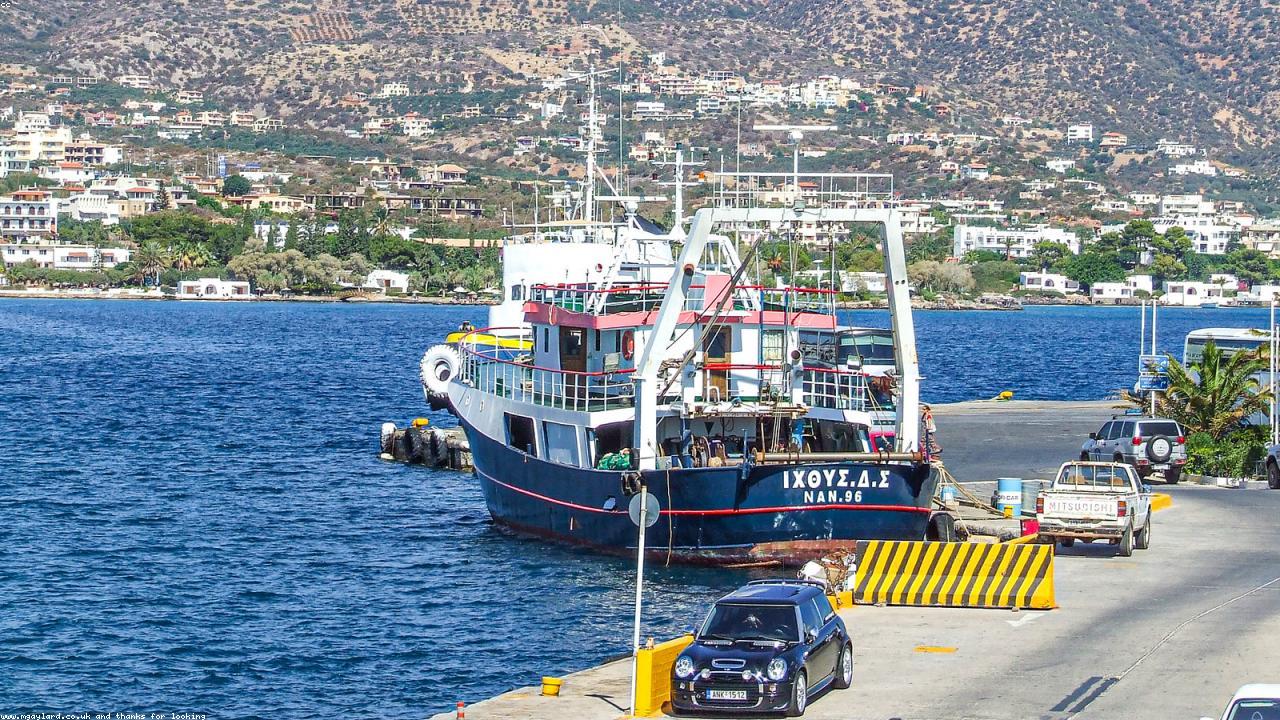
The south and west are where Crete turns wild. The Samaria Gorge cuts sixteen dramatic kilometres down to the Libyan Sea, and the lagoons of Balos and Elafonisi glow with pink-tinged sand and shallow turquoise water. In the east, the palm forest at Vai and the lakeside town of Agios Nikolaos offer a gentler, sun-baked mood.
Crete is also one of Greece's great tables. This is the heartland of the Cretan diet — wild greens, barley rusks, sheep's cheeses, snails, mountain honey and raki poured freely at the end of every meal. Long lunches in village tavernas are part of the experience, not a detour from it.
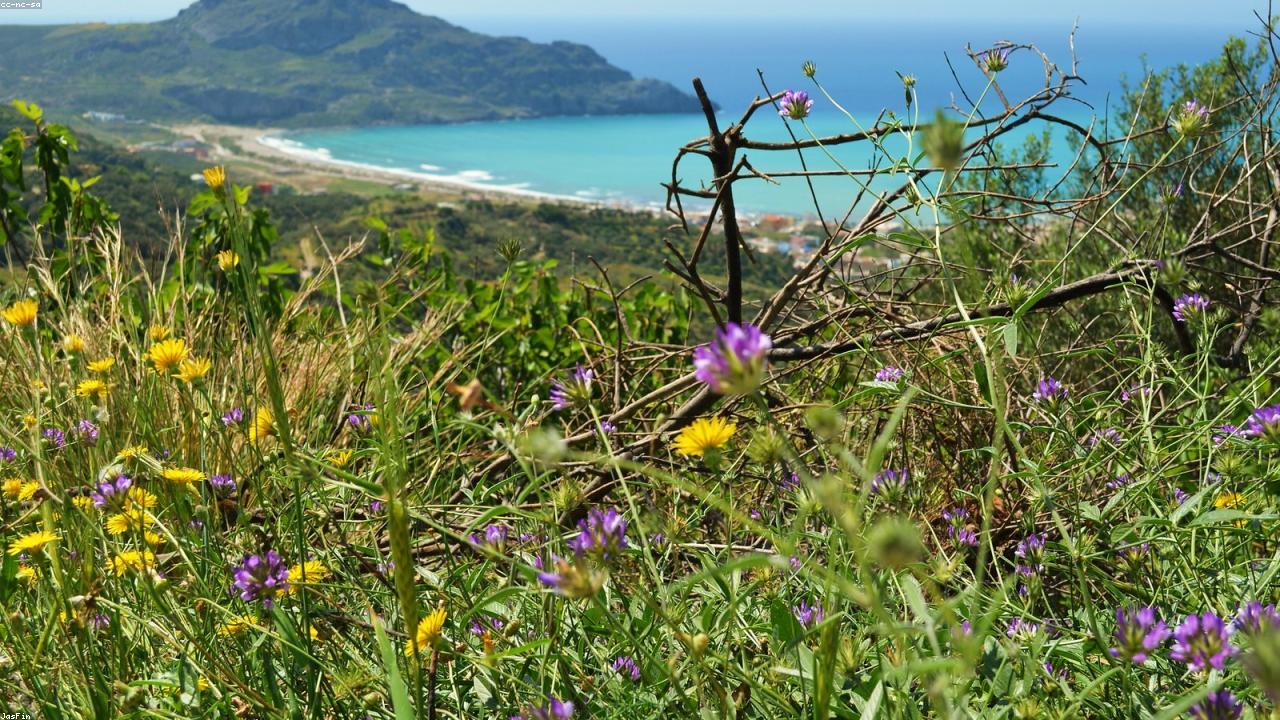
The island rewards a slower pace and a hire car. Late spring, when wildflowers cover the hills, and early autumn, when the sea is at its warmest, are the sweet spots; July and August are hot and busy but full of festivals. Give Crete five to seven days and you will still leave with a long list of reasons to return.
The islands
Where to go
On the map