
Athens & Attica
The region around Athens pairs the world's most famous ancient monuments with a warm Saronic coastline and the great port that carries travellers on to the islands.
About the region
The classical heart of Greece and its gateway to the sea
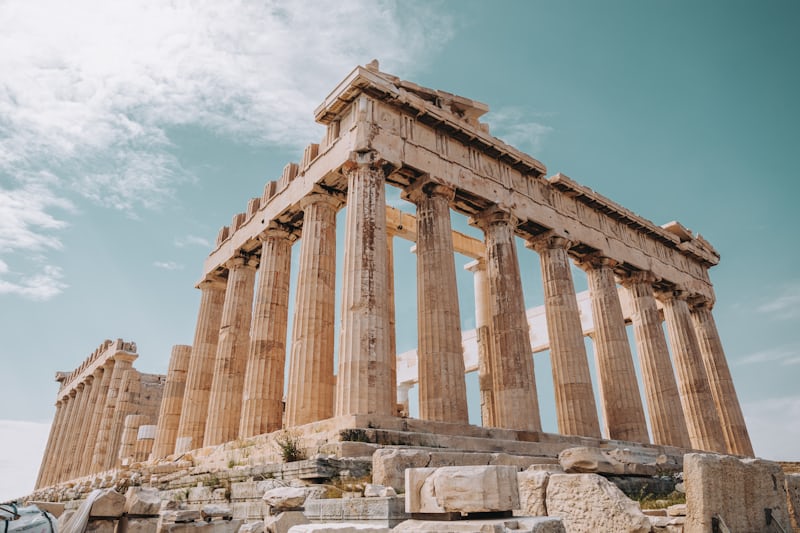
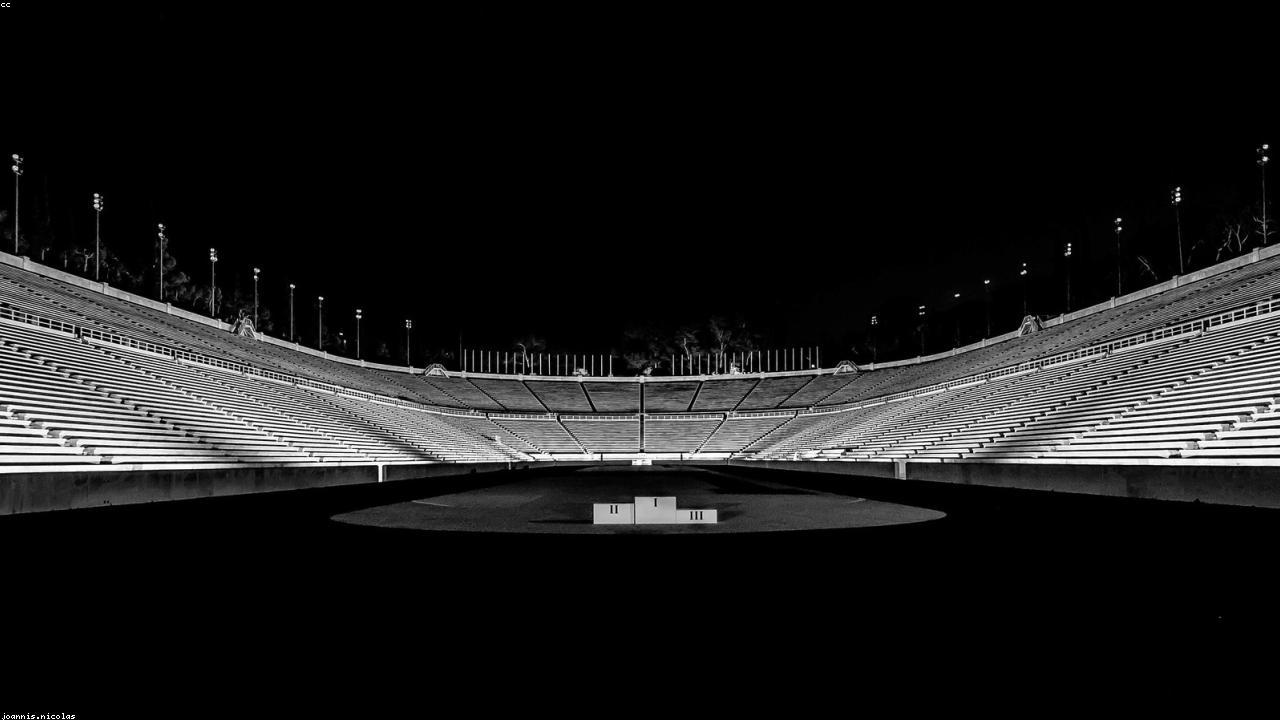
Attica is the triangular peninsula at the centre of Greek history, and its capital, Athens, is the reason most visitors come. This is the land of the classical city-state, crowned by the Acropolis and its Parthenon, and filled with the ancient sites, museums and neighbourhoods that trace three thousand years of continuous life. For many travellers Athens is the first stop in Greece, a place to absorb the country's deep past before moving on.
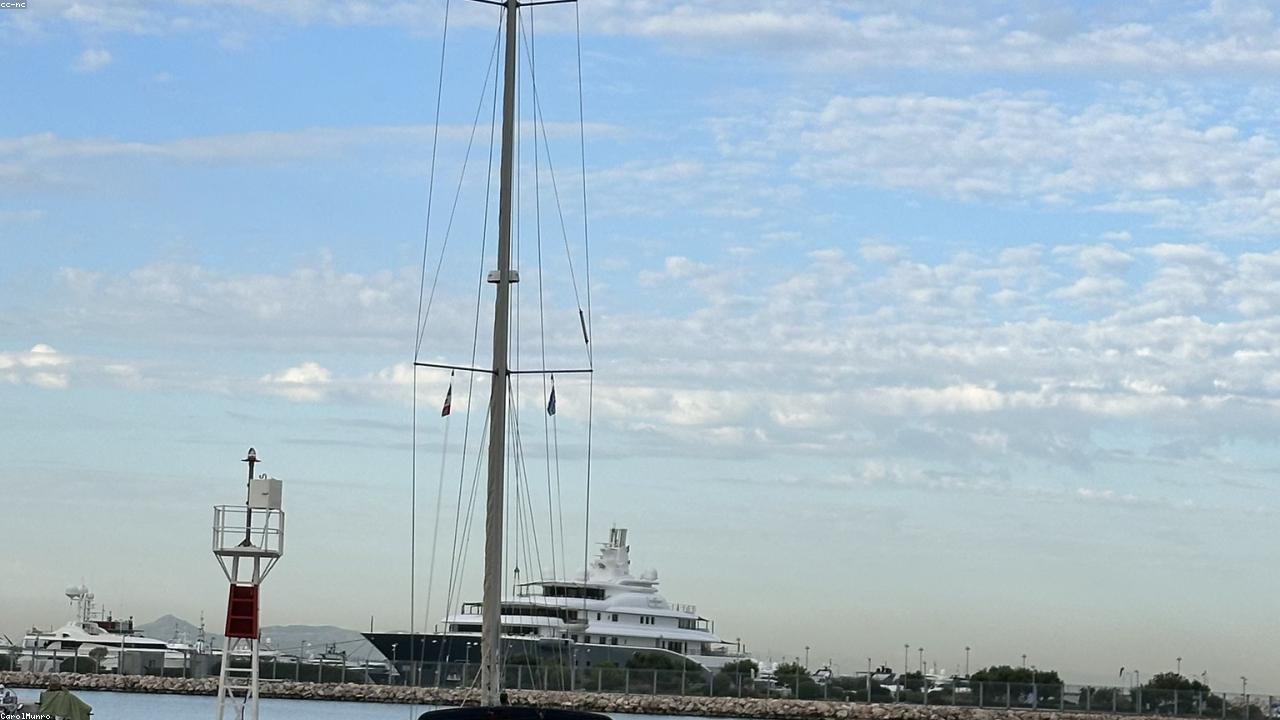
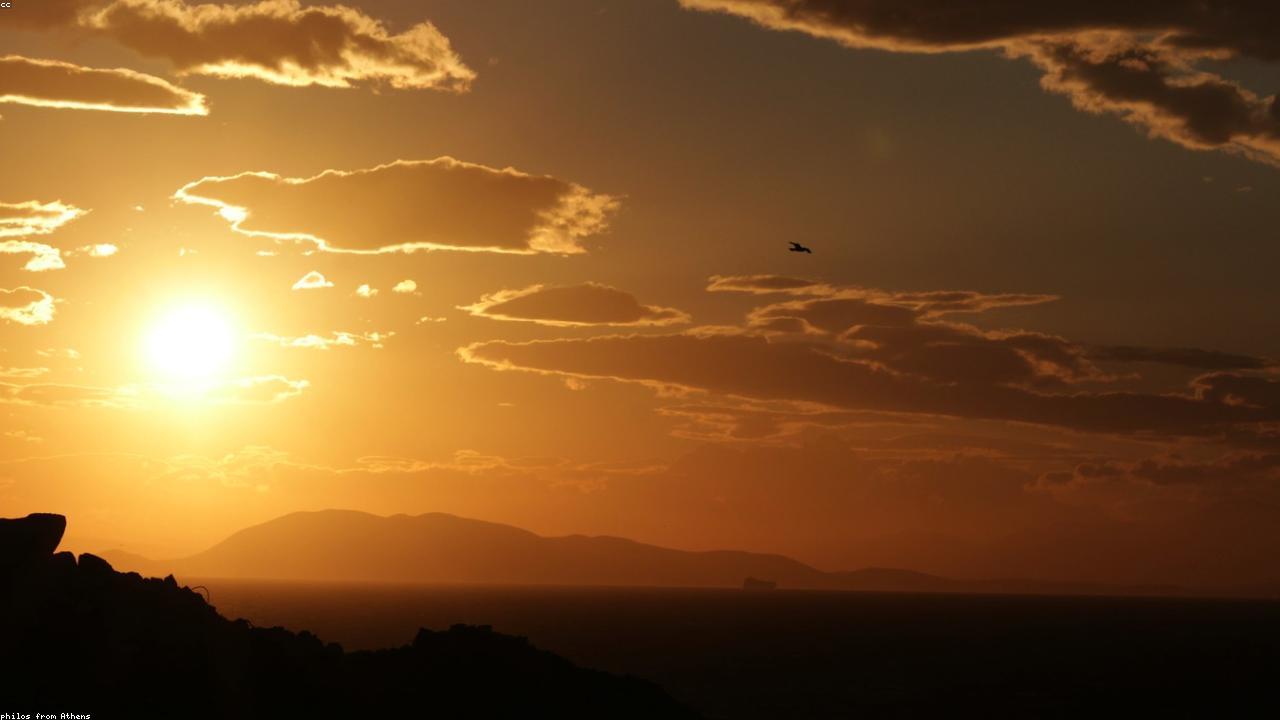
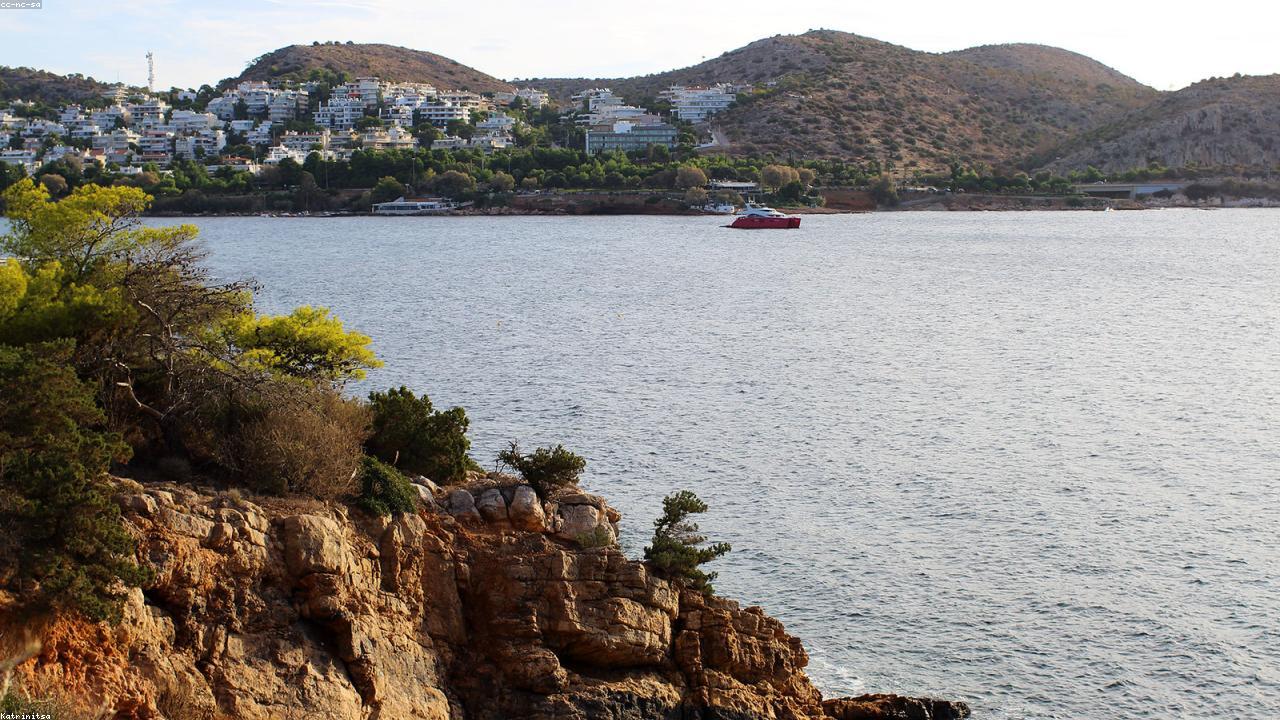
But the region is more than its monuments. South of the city, the Athens Riviera unfurls a coast of beaches, marinas and resort suburbs, from lively Glyfada to exclusive Vouliagmeni and easygoing Varkiza, ending at the clifftop Temple of Poseidon on Cape Sounion. It gives the capital a rare double life, ancient citadel by day and seaside city by evening.
At the coast sits Piraeus, the ancient and modern port of Athens and the largest passenger harbour in Europe. From its numbered gates ferries fan out across the Aegean to the Cyclades, Crete, the Saronic islands and beyond, making Attica the natural launch point for island-hopping as well as a destination in itself.
Getting around is easy. An international airport, a growing metro network and a coastal tram connect the sights, the beaches and the port, so the region can be explored without a car. Most visitors come in spring or autumn, when the archaeological sites are comfortable to walk and the light is clear, but the beaches draw crowds all summer, and even winter has its rewards under bright Attic skies.
The islands
Where to go

On the map