
Epirus
Greece's rugged north-western corner of stone villages, the deepest gorges in the world and a proud mountain culture set between the Pindus range and the Ionian Sea.
About the region
Where the mountains meet the Ionian
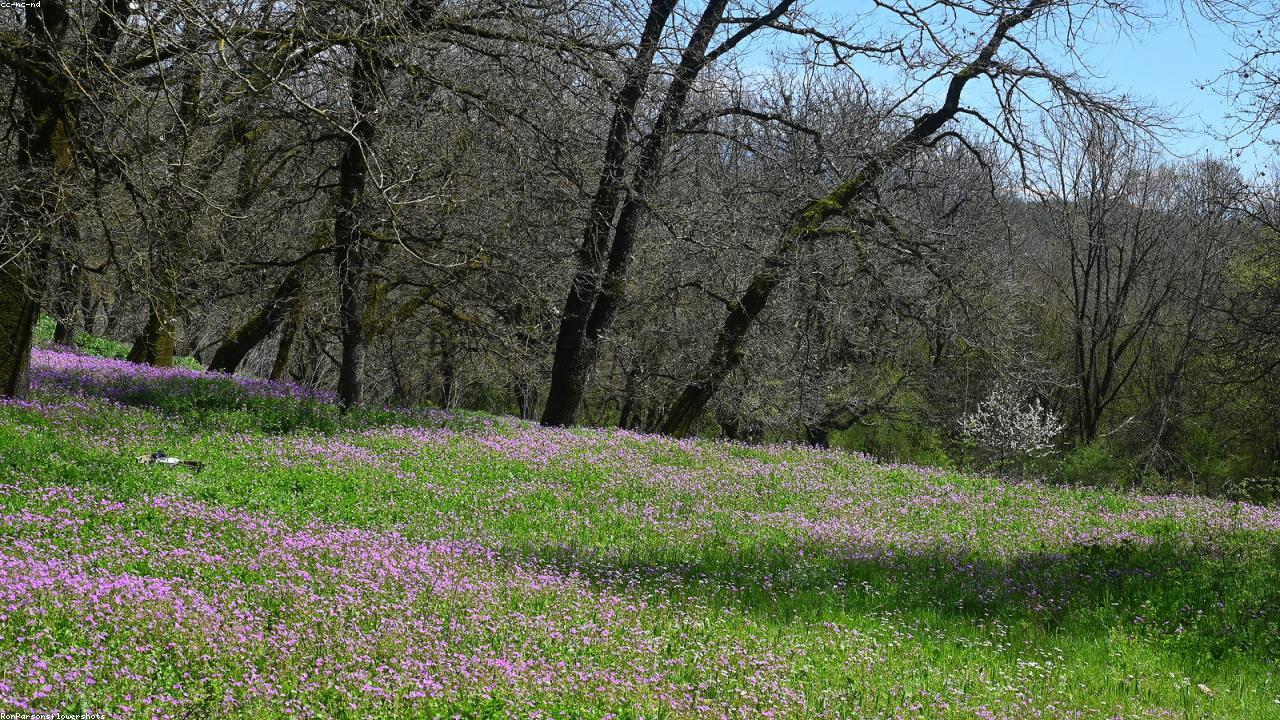
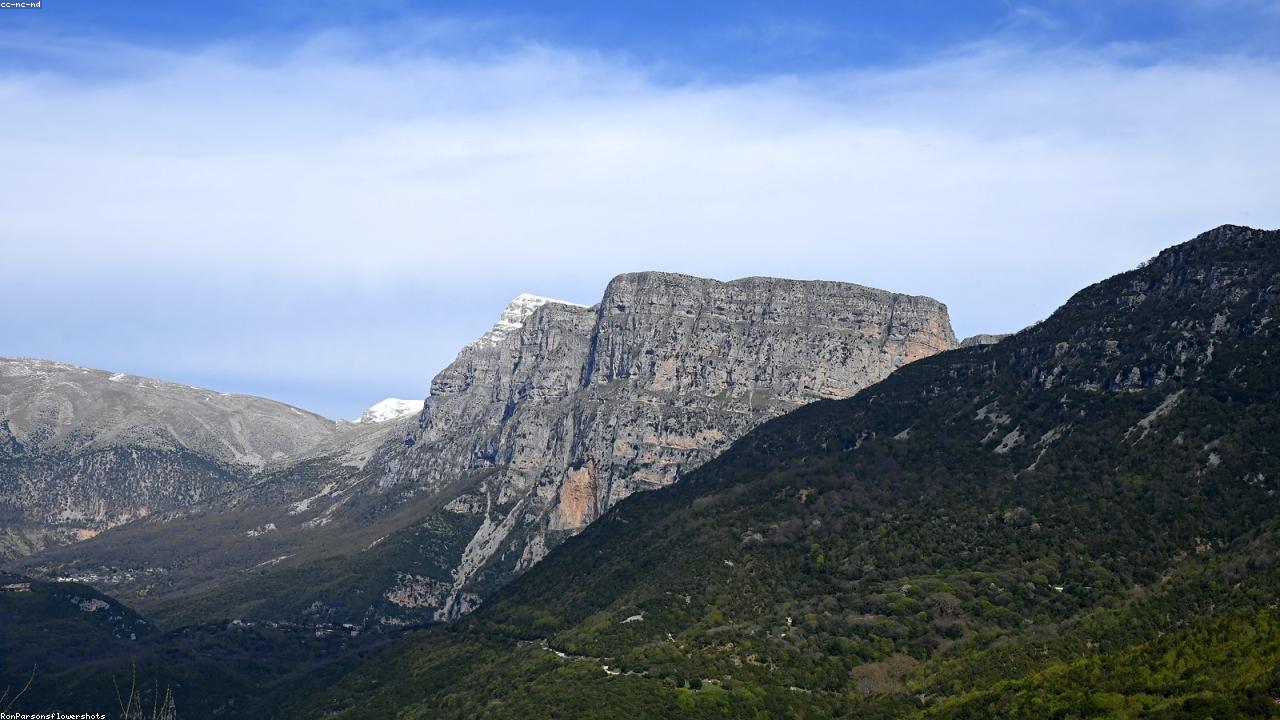
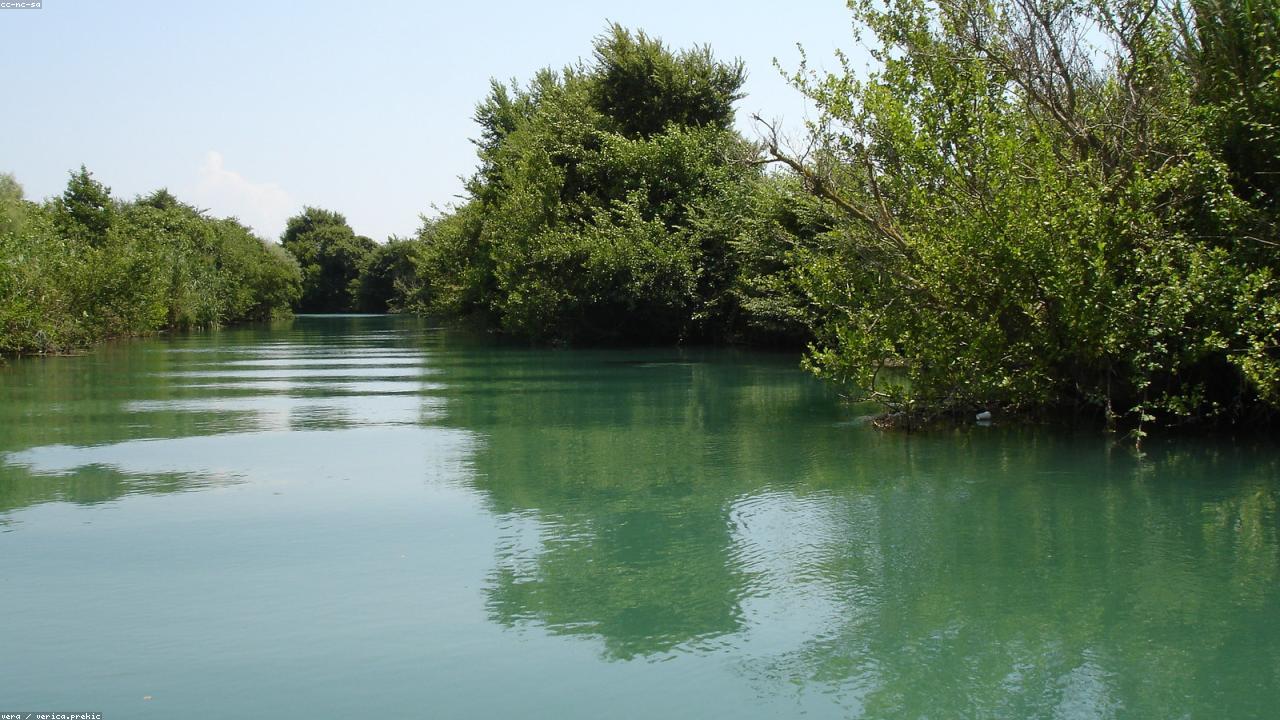
Epirus occupies the north-western corner of mainland Greece, a region defined by the high, wild ridges of the Pindus mountains to the east and a green, indented coastline on the Ionian Sea to the west. It is the greenest and one of the least developed parts of the country, a land of deep gorges, fast rivers, beech and fir forests and hardy stone-built villages that feel a world away from the whitewashed islands most visitors picture.
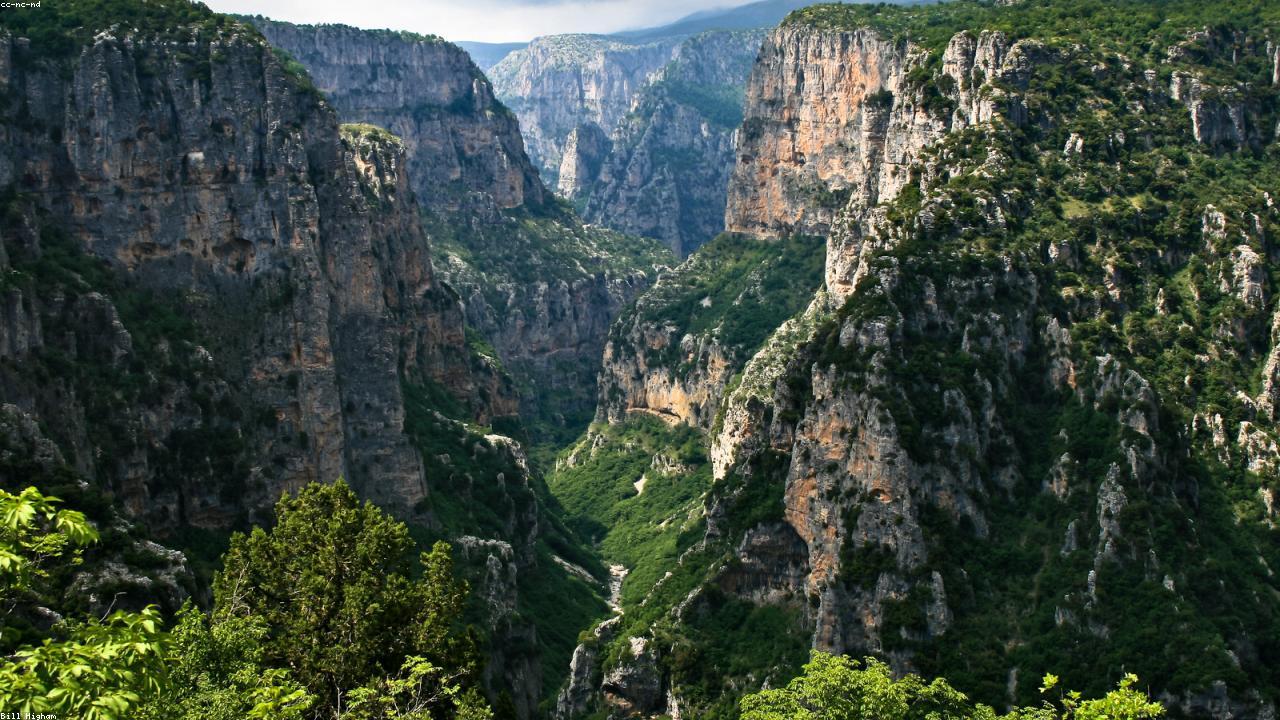
The region's heart is Ioannina, its lakeside capital, wrapped around an Ottoman citadel and looking out to a small island steeped in the story of Ali Pasha. North of the city lie the Zagorochoria, some 46 UNESCO-listed stone villages linked by arched packhorse bridges, and the Vikos Gorge, ranked among the deepest in the world. Up on the Pindus watershed, the Vlach town of Metsovo guards its cheese, wine and traditions, while the remote peaks of the Tzoumerka and the Byzantine churches of Arta reward travellers who venture further south.
Epirus is above all a destination for the outdoors and for culture off the usual trail: hiking, rafting, mountain villages, monasteries and honest, hearty food built on pies, cheeses and game. Most travellers base themselves in Ioannina or a Zagori guesthouse and explore by car, since public transport is limited and the pleasures are spread across the hills.
The region shines in late spring and autumn, when rivers run full, forests turn colour and the walking is at its best; summer brings cool mountain air inland and warm Ionian beaches on the coast, while winter turns the highlands into a snowy, atmospheric retreat.
The islands
Where to go in Epirus
On the map