
Thessaly & Meteora
A broad plain ringed by mountains and sea, Thessaly holds the soaring monasteries of Meteora, the forested peninsula of Pelion and lakes and gorges wrapped in Greek myth.
About the region
The plain, the mountains and the rocks in the sky
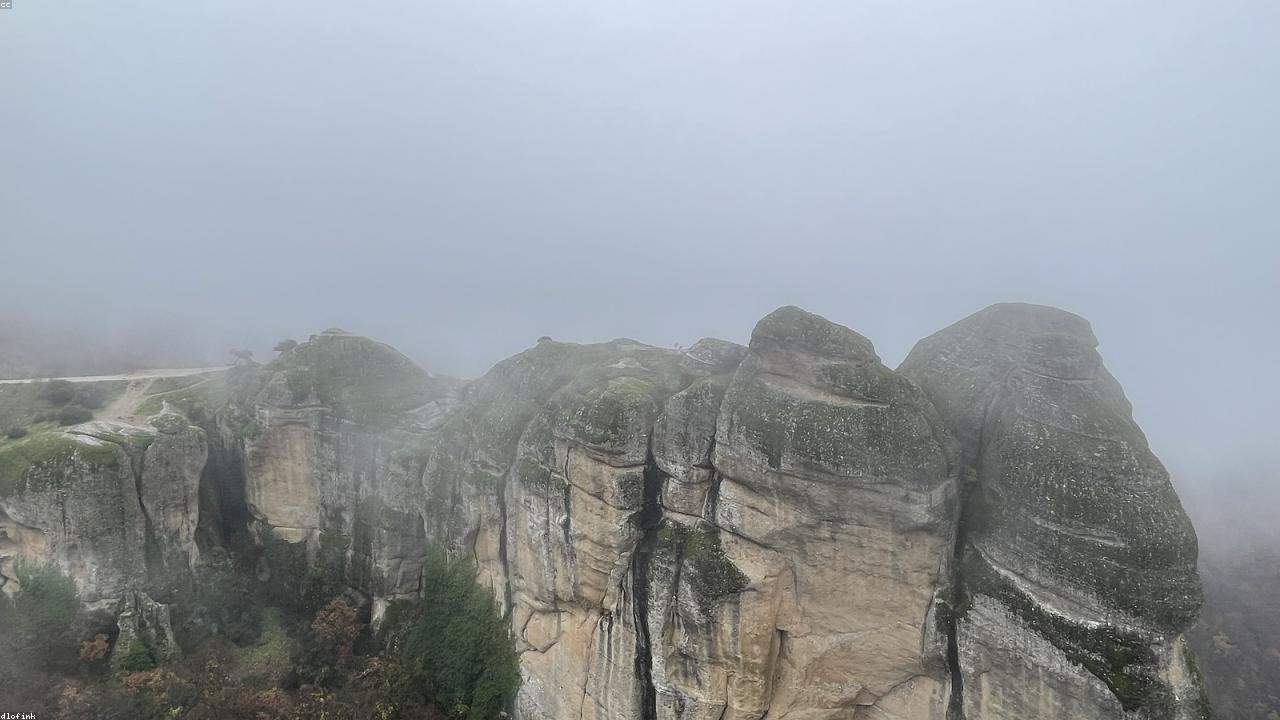
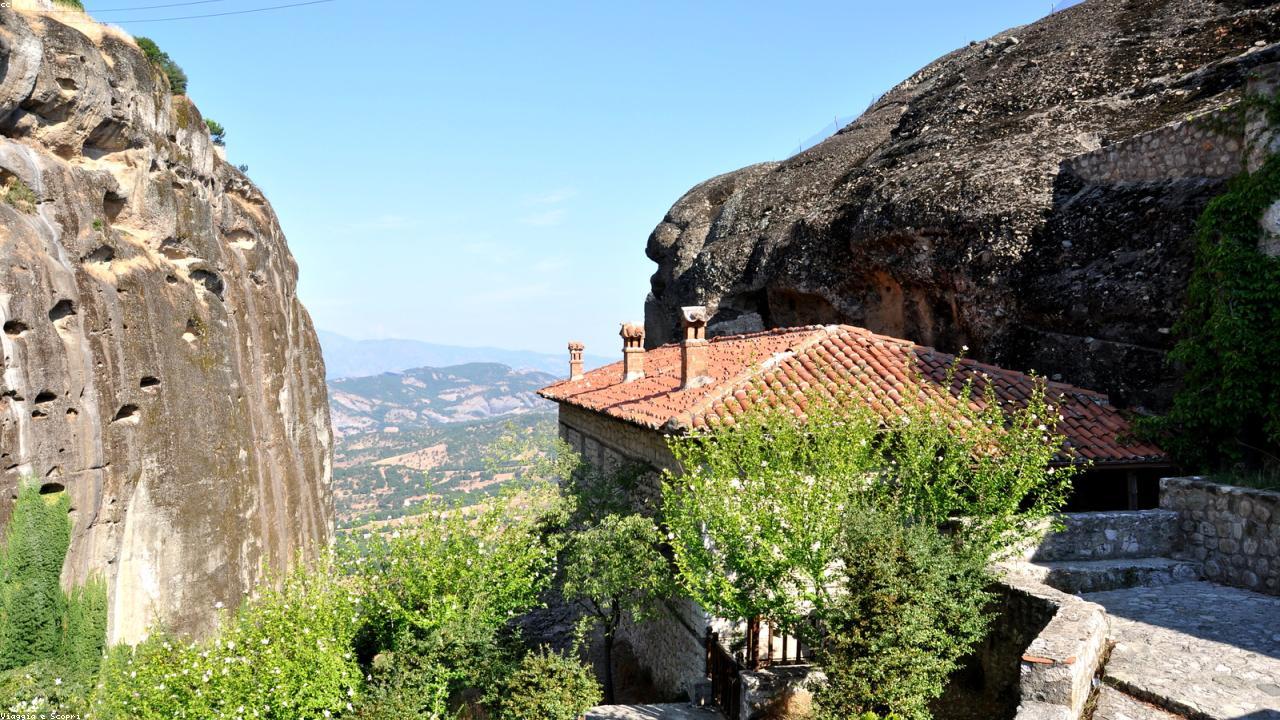
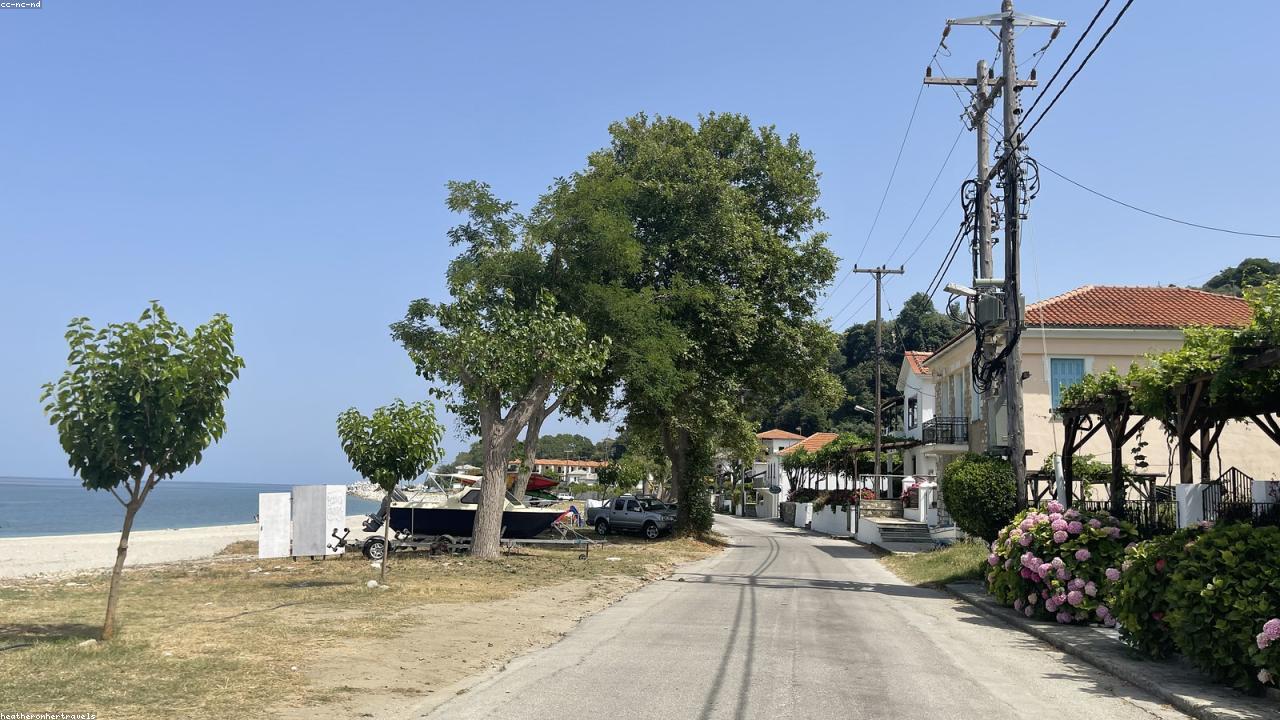
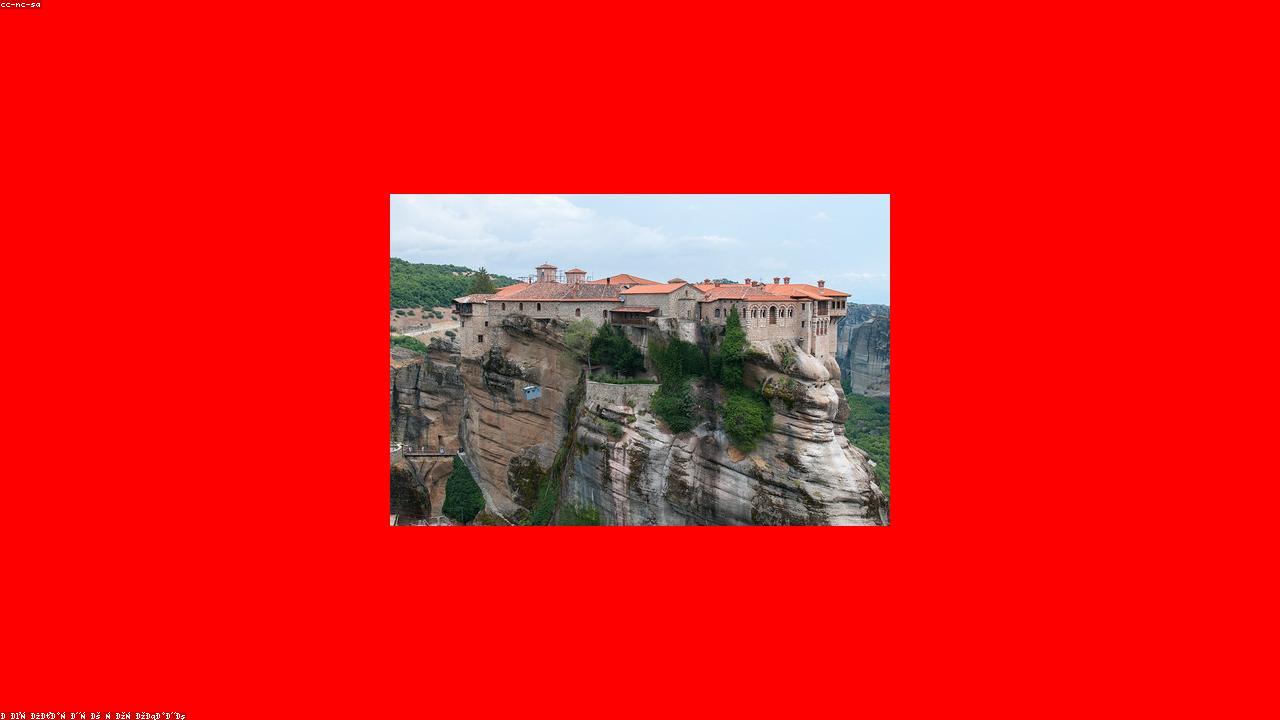
Thessaly occupies the wide agricultural heart of central Greece, a great fertile plain enclosed by mountains on almost every side and opening to the Aegean in the east. It is a region of strong contrasts, where the flat, sun-baked farmland gives way abruptly to the wooded slopes of Pelion, the wild peaks of the Agrafa and, most famously, the astonishing sandstone towers of Meteora, crowned by centuries-old monasteries that seem to float above the town of Kalambaka.
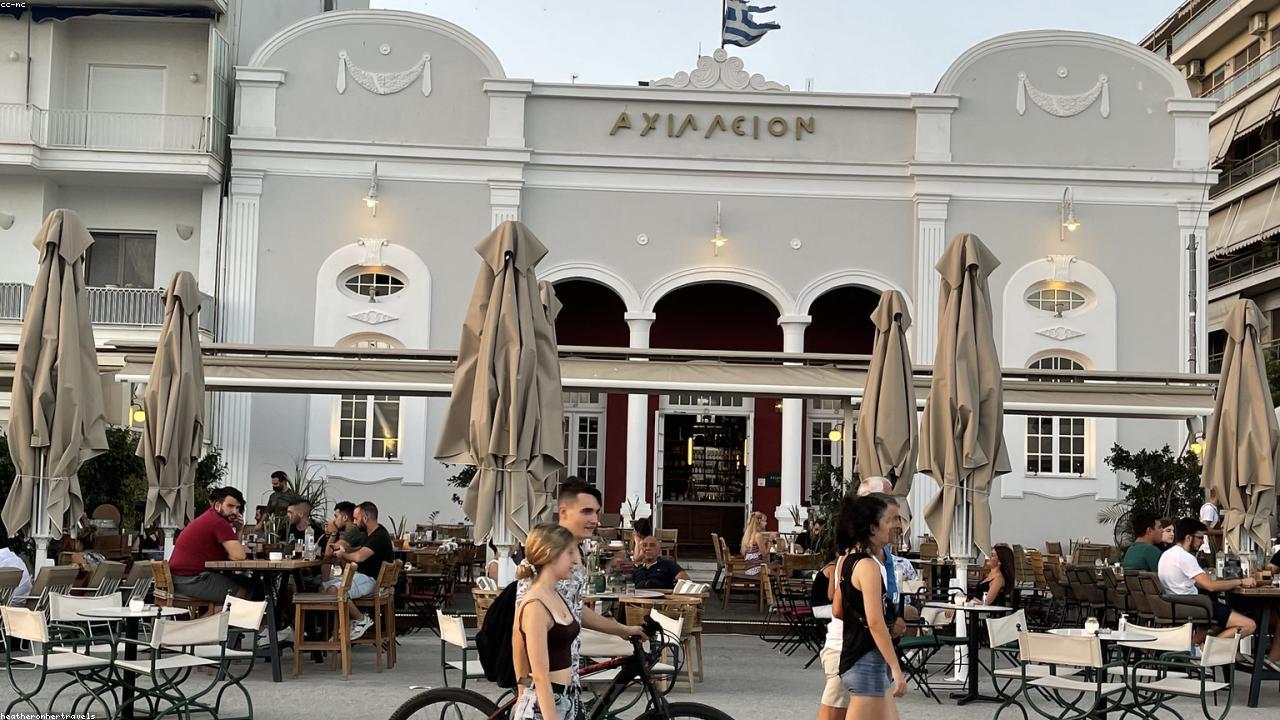
The region's cities lie strung along the plain. Larissa, the capital, is an ancient settlement on the Pineios river with a great Hellenistic theatre at its core; Trikala, birthplace in myth of the healing god Asclepius, threads gracefully along the Litheos; and Karditsa has become the cycling town of Greece. On the coast, the port city of Volos faces the sheltered Pagasetic Gulf and serves as the gateway both to Pelion and to the Sporades islands.
Beyond the towns, Thessaly rewards those who head for its edges. Lake Plastira is a serene artificial lake high in the western mountains, while the Vale of Tempe cuts a mythic gorge between Olympus and Ossa where the Pineios reaches the sea. Threaded by the main Athens to Thessaloniki motorway and railway, the region is easy to reach and to cross.
Most travellers come for Meteora above all, but Thessaly rewards a slower loop: monasteries and mountain lakes, forest villages and river cities, best explored by car over several days. Spring and autumn are the ideal seasons, when the plain is green and mild and the light on the rocks and mountains is at its finest.
The islands
Where to go in Thessaly
On the map