
Thrace
Greece's far north-eastern frontier is a land of tobacco-merchant towns, Byzantine fortresses and multicultural bazaars, edged by two of Europe's greatest wildlife wetlands and a wild sacred island.
About the region
The crossroads at the edge of Greece
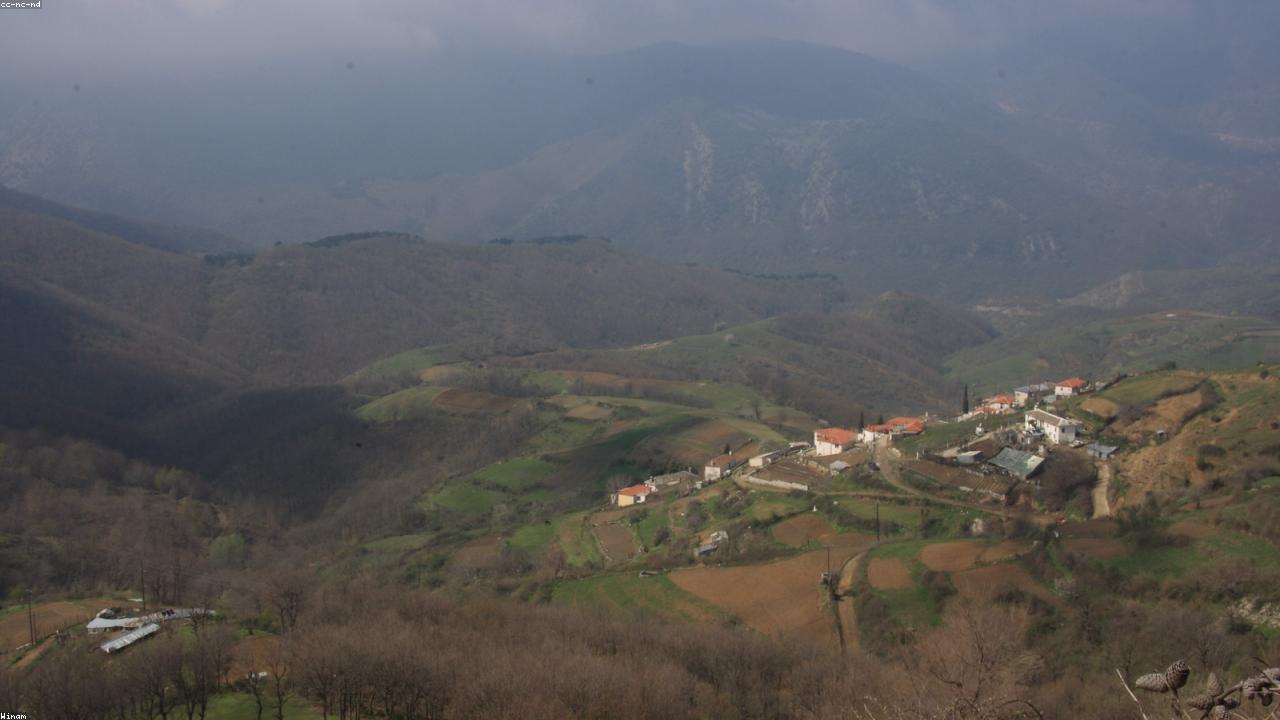
Thrace occupies the far north-eastern corner of Greece, a broad plain of farmland and low mountains reaching from the Nestos river to the Evros, which forms the border with Turkey. Cradled between the Rhodope Mountains and the Thracian Sea, and looking across to Bulgaria and Turkey, it is the most easterly and least touristed part of the mainland, and much of its character comes from that position on a frontier where cultures have long met and mixed.
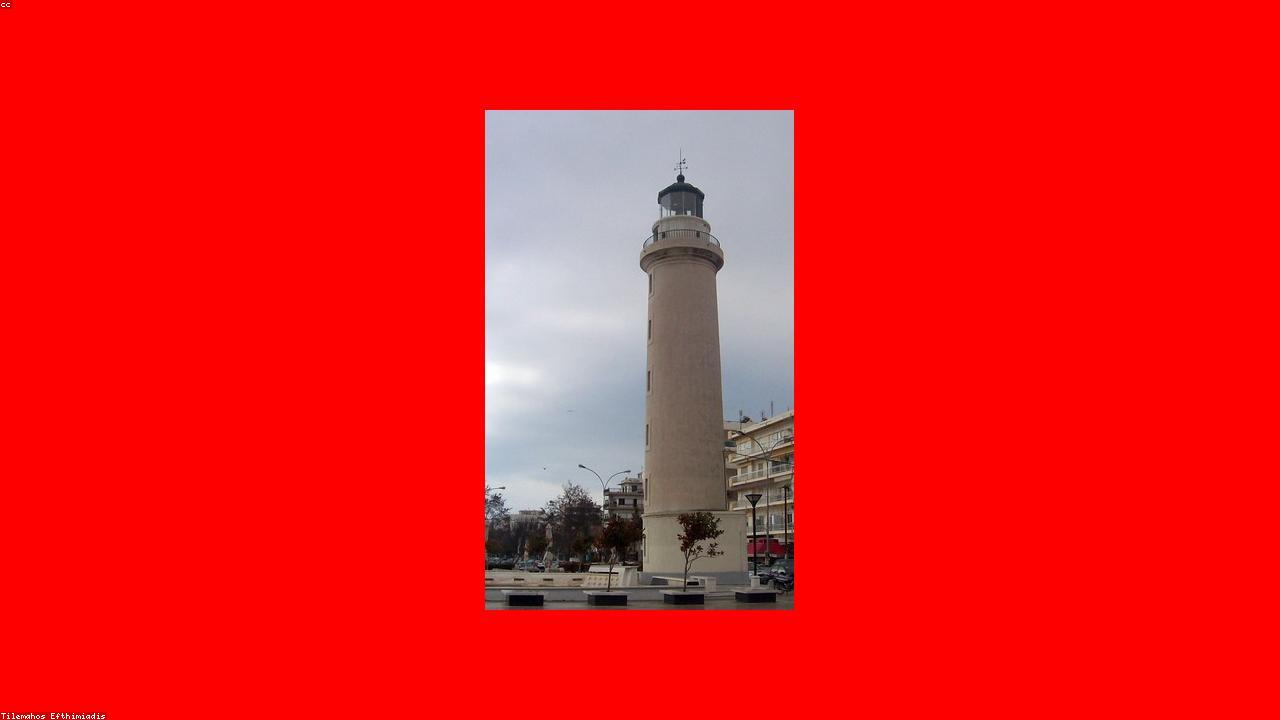
This is a genuinely multicultural region. Alongside the Christian Greek majority live a long-established Muslim minority of Turkish and Pomak background, together with the descendants of refugees and older communities, and their coexistence is written into the towns. Minarets rise beside church belfries, old bazaars trade in Anatolian and Greek goods alike, and the food, music and festivals draw on all of it. The old town of Xanthi, built on 19th-century tobacco fortunes, and the university city of Komotini, with its ancient Imaret, show this heritage at its richest, while Alexandroupoli serves as the modern port and gateway.
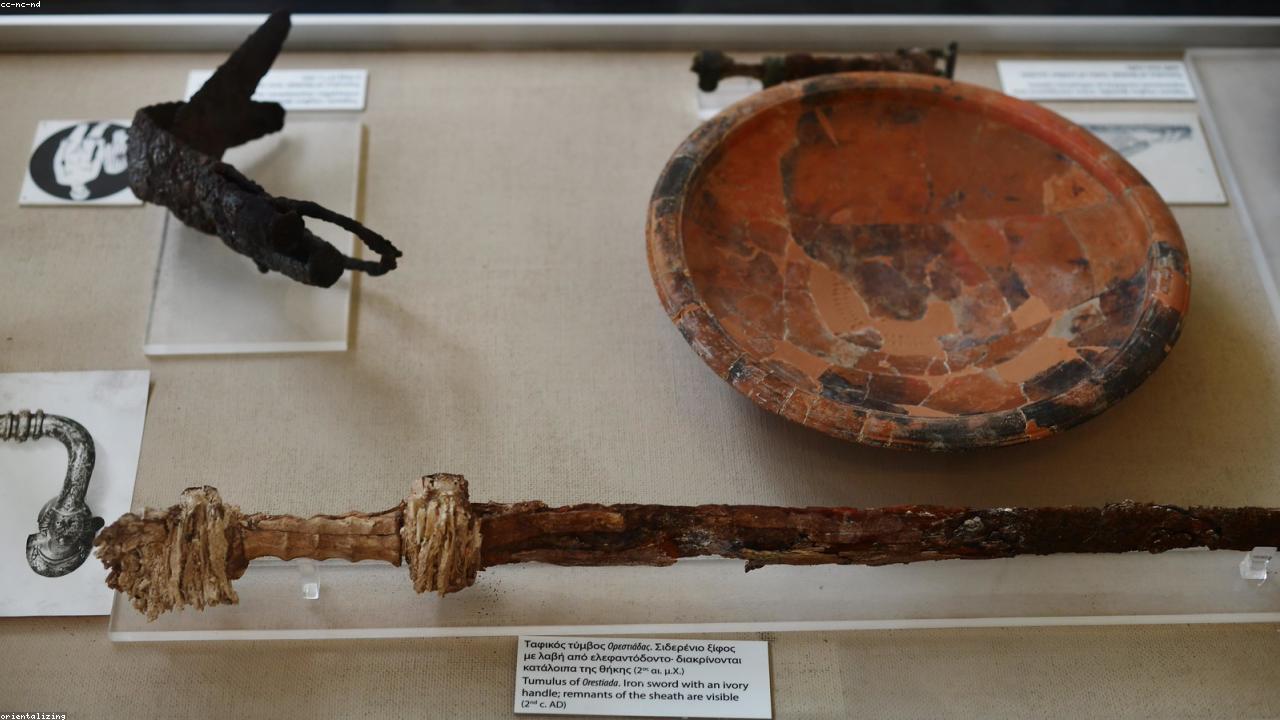
History lies thick on the land. The Byzantine fortress town of Didymoteicho guards the old road to Constantinople, the newest town in Greece was planned from scratch at Orestiada for refugees in 1923, and offshore the wild island of Samothrace holds the ancient Sanctuary of the Great Gods, where the Winged Victory once stood beneath the highest peak in the Aegean.
Thrace is also a paradise for naturalists. The Evros Delta is one of Europe's most important wetlands for wintering and migrating birds, while the forests of Dadia shelter the last black vultures of the Balkans and a remarkable concentration of raptors.
Travellers usually explore Thrace by car along the Egnatia Motorway, combining the towns, the wildlife and the island over several unhurried days. Spring and autumn are the loveliest seasons, mild and green; winter is the time for the great gatherings of birds.
The islands
Where to go in Thrace
On the map