
Macedonia & Thessaloniki
The broad, mountainous north of Greece, where Alexander's homeland meets waterfalls, wine country, ancient tombs and the great city of Thessaloniki.
About the region
The homeland of Alexander, from the Aegean to the mountains
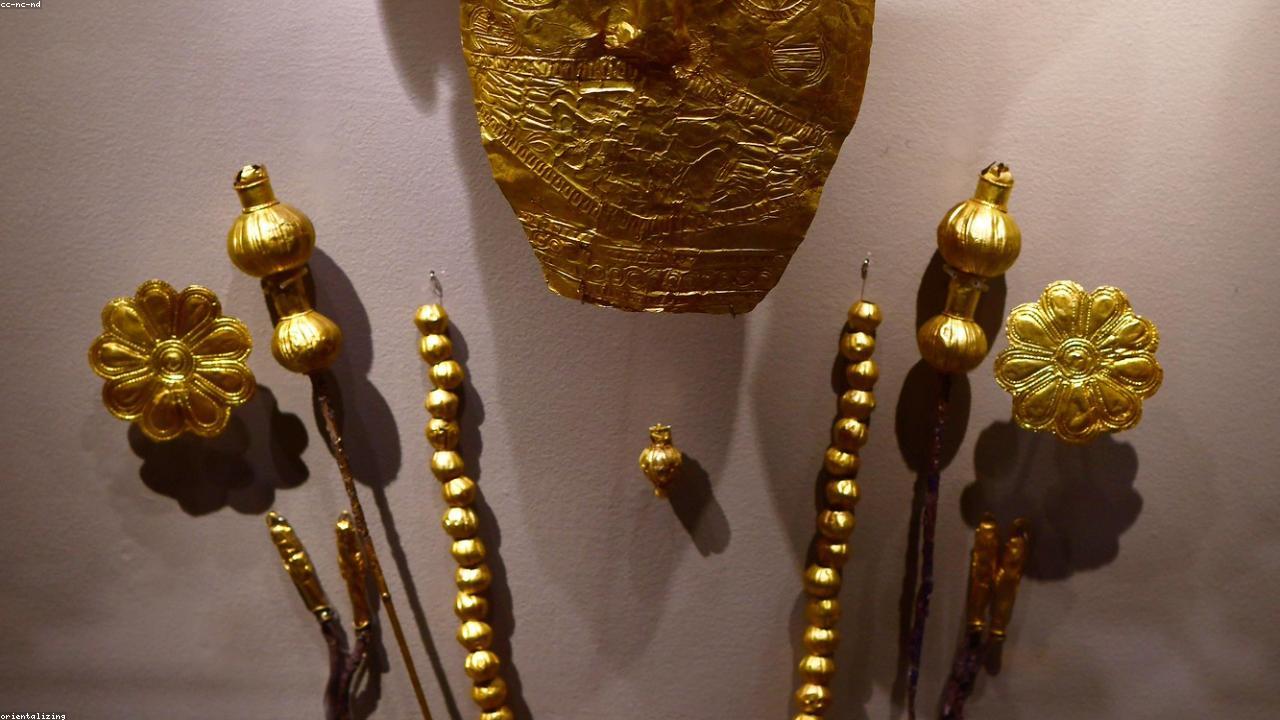
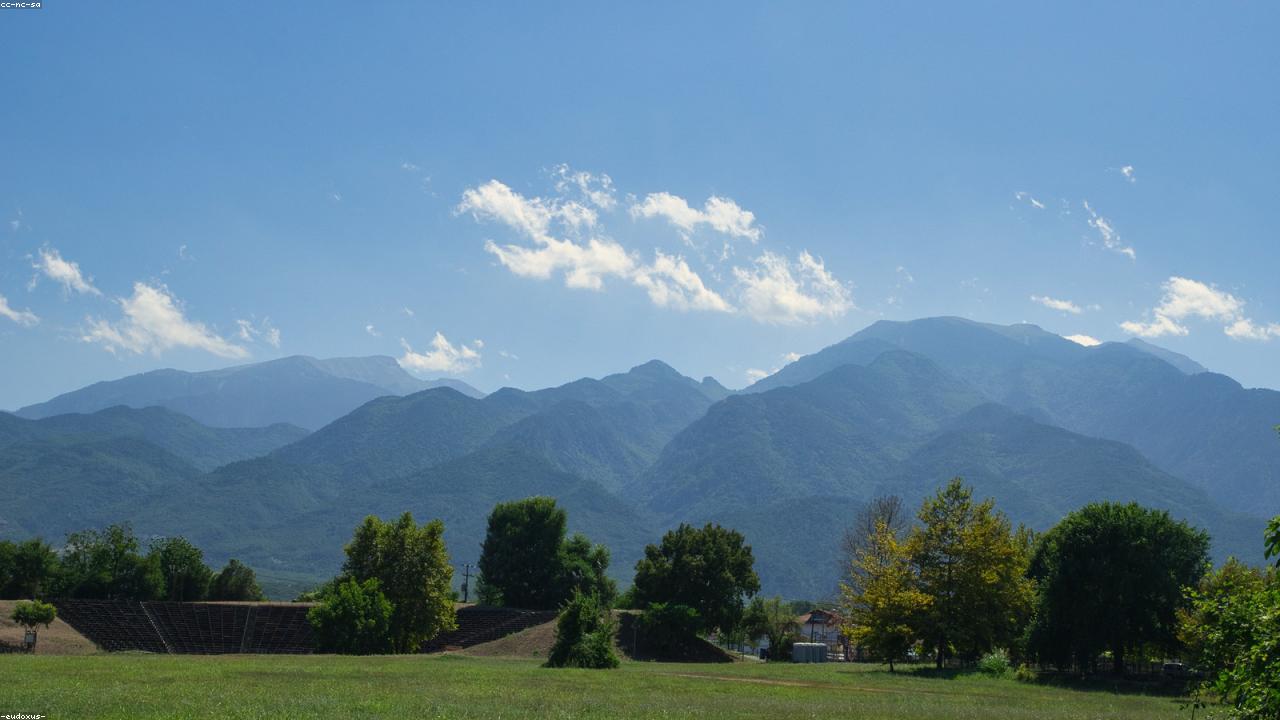
Macedonia is the great northern sweep of the Greek mainland, a region of broad river plains, high mountains and a long Aegean coastline that feels a world away from the sun-baked islands of the south. This was the homeland of Philip II and Alexander the Great, and its earth still yields their story, from the royal tombs of Vergina to the ruined cities and battlefields scattered across the plains.
At its centre stands Thessaloniki, the vibrant second city of Greece, a place of Byzantine walls and churches, Ottoman monuments, a famous waterfront and a food and nightlife culture that draws visitors in its own right. Beyond the city, the region unfolds in remarkable variety. To the east lie the amphitheatrical port of Kavala and the island of Thasos, the spring-fed town of Drama and the lakes and caves around Serres. To the west rise the foothills of Mount Vermio, where Edessa pours over its cliffs in waterfalls, Naousa ripens the Xinomavro grapes behind Greece's first appellation reds, and Veria guards its Byzantine churches and old Jewish quarter beside the tombs of Vergina.
Travellers tend to use Thessaloniki as a hub, striking out by road or rail to the towns and sites around it, most of them within a two-hour drive. It is a region for those who want history, nature and good food over beaches alone, though the coasts of Halkidiki and the north Aegean are close at hand.
Spring and autumn are the ideal seasons, when the plains are green or golden and the waterfalls run strong. Summers are warm and best spent near water, while winter brings snow to Vermio and Falakro and a scattering of ski centres.
On the map